


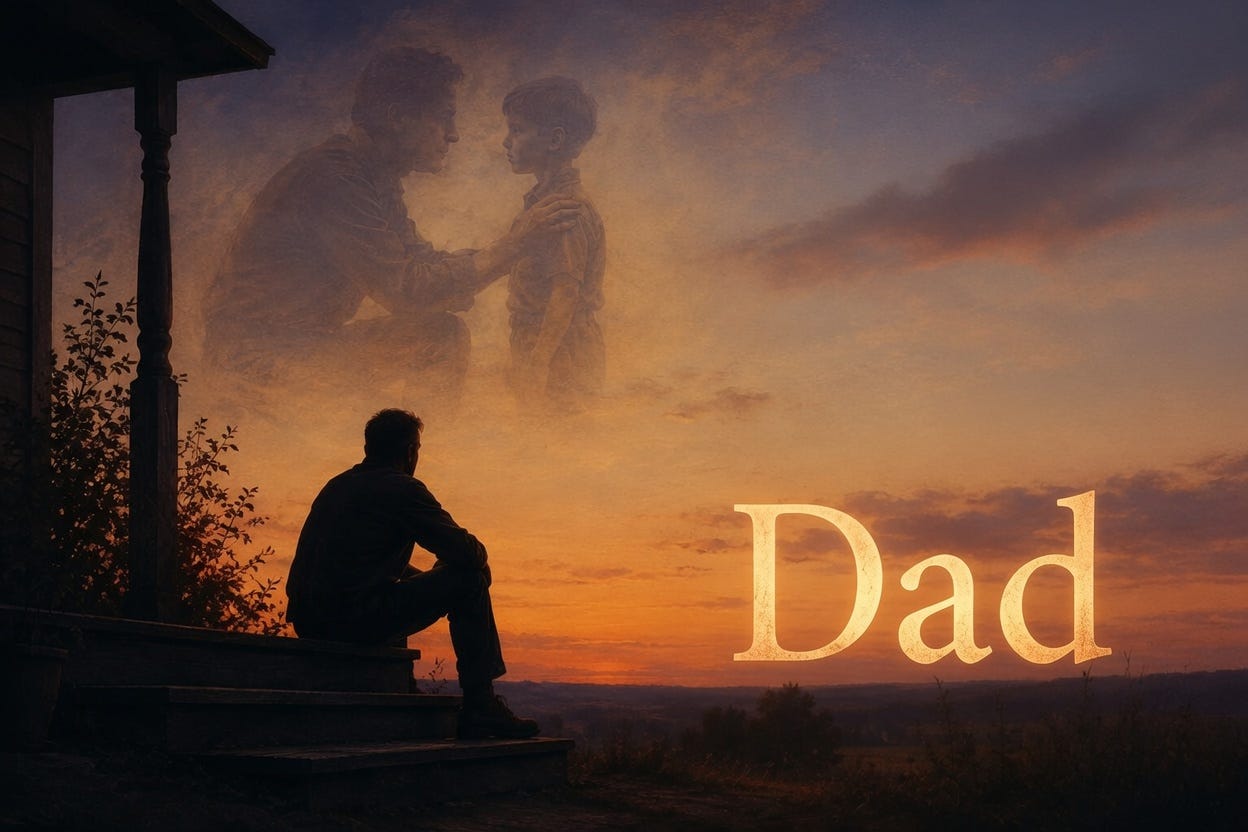
My father passed away seven years ago this week, at the age of 86, after struggling for 20 years with alcoholism, precipitated by his retirement, and the subsequent loss of identity and meaning, which is too often tied to our vocations. I’m not a drinker, but I can’t say it hasn’t made me a bit wary of my own retirement. If you’ve known and loved an alcoholic, you know it casts a pall over their virtues, tainting your memory of them, though in time, the clouds part and their merits come more readily to mind. Now what I remember about my father, seven years after his passing, was his integrity as a public servant.
For most of my childhood, my father served on our town board, most of it as the board president. He was then elected as the township assessor until alcoholism crippled his ability to function, and he retired. Though his struggle with alcohol was widely known, it wasn’t publicly discussed, given the high esteem in which he was held. I wonder if Dad was well-served by the public’s silence, or if the wider recognition of his struggle would have compelled him to seek help sooner. I guess I’ll never know.
When my dad was first elected to our town board, the first thing he did was fire my brother, who worked as a lifeguard at the town pool. My brother protested, saying he’d been hired the year before our father had been elected. My dad told him the average citizen would only see my brother working for the same town his father oversaw, and would conclude he got the job through nepotism. So, instead of spending the summer watching teenage girls in swimsuits, my brother baled hay.
I think of my dad whenever I read of the unrestrained corruption in the Trump administration. He has used the presidency to line the pockets of every family member and friend, with no regard for propriety or law. Edward Brooke, the first Black elected to the U.S. Senate by popular vote, said, “When people treat corruption as a routine part of the process, you have something far worse than wrongdoing or moral failing. You have a political cancer that breeds cynicism about democratic government and infects all of society.” This, in two sentences, is an apt description of the Trump presidency and its malignant effect on our nation. His corruption has caused us to mistrust democracy, neglect the rule of law, expect little from our elected officials, and assume perfidy is par for the course.
There’s a smug Evangelical in our town who minds everyone’s business but his own. He is a fervent champion of Donald Trump─the flag, the hat, the whole nine yards. I saw him recently at our public library, and he mentioned my father and his alcoholism, as if it were news to me.
“I’m well aware of my father’s alcoholism,” I told him. “But I’ll say this for my dad, he never stole a dime, lied to his constituents, or raped a child. Or supported anyone who did.”
Have you ever noticed how, when anyone mentions Trump’s treachery, his followers say, “Oh, everyone does it.”
No, everyone doesn’t lie and cheat and steal, but the fact that they think so makes me suspect they have, for the first impulse of evil people is to assume everyone else is equally immoral. Psychiatrists call it projection, attributing their own attitudes and conduct to others. Thus, the adulterer thinks everyone cheats. The thief believes everyone is a robber. The liar thinks everyone is dishonest. Because Donald Trump is corrupt, he believes every president before him was too.
In my father’s final years, I was so consumed and angered by his alcoholism, I failed to appreciate his merits. Thankfully, time has sanded the rougher memories smooth, and now I remember a man who could neither tell nor abide a lie. Seven years ago this week he passed away. What he knew about Donald Trump disgusted him. In one of our last conversations, he asked me, “How does this happen?” I didn’t have an answer then and don’t now, except that maybe too many Americans voted for Donald Trump because in him they saw themselves and weren’t ashamed by that at all.
Philip Gulley is the author of the popular Harmony series and Unlearning God: How Unbelieving Helped Me Believe.
Discover my books, stories, and more by visiting Books by Philip Gulley
Contact Philip directly at philiphgulley@gmail.com
JOIN PHILIP FOR SUNDAY WORSHIP
You’re invited to join Philip and Fairfield Friends Meeting online for our worship services (Sundays 10:30-11:30 a.m. EDT) via Zoom.
https://us06web.zoom.us/j/89449897381?pwd=FebSgYxymy6rnRHMQth2DjXLfautTA.1
Meeting ID: 894 4989 7381


